The average adult needs seven to nine hours of sleep a night, but over a third of Americans report getting less than the recommended amount.
Studies show that lack of sleep can increase the risk of health issues like obesity, high blood pressure, diabetes, and coronary heart disease.
The benefits of a good night’s sleep include better concentration, better mood and higher energy levels, so if you’re someone who regularly struggles to get to sleep, you may find otherwise simple daily tasks a little more challenging.
If back or neck pain keeps you awake at night, it may be time to upgrade your mattress and pillow.
While 8% of adults experience persistent or chronic back pain, research shows that individuals who upgrade their bedding system experience a reduction in back and shoulder pain and improved sleep quality.
Findings also suggest that Medium-Firm mattresses are the best option when it comes to getting a better night’s sleep.
Going to bed at the same time each night will help get your body into a rhythm, so it knows when it’s time to sleep.
Research shows that individuals with an irregular bedtime schedule are more likely to experience poor quality of sleep, so implementing a consistent schedule will support your body’s sleep-wake cycle and help improve sleep quality.
With so much distraction in our daily lives, it can be hard to unwind before bed.
Whether you find yourself working until late in the evening, or binge-watching your favorite show into the early hours of the morning, consider setting aside some time to relax before bed.
Some people find having a bath helps them wind down before bed, and others find practicing yoga or reading a book helps. Consistently, most experts recommend staying away from screens.
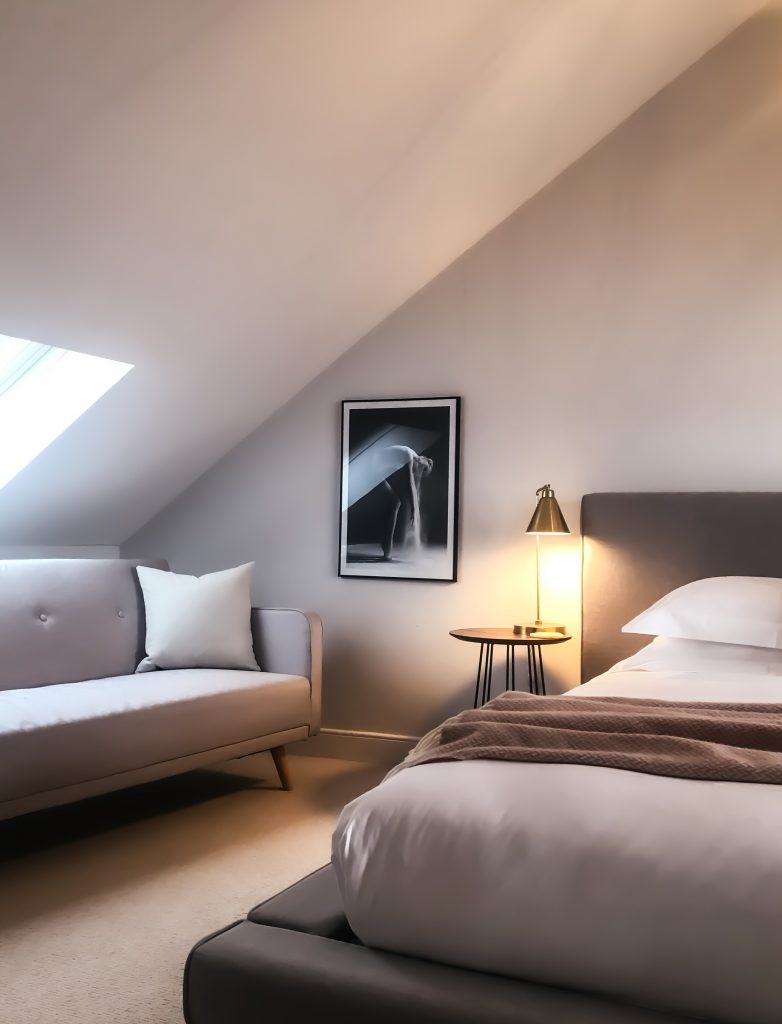
The environment we sleep in plays a big part in the quality of sleep we get each night.
To get a restful night’s sleep, our mind and bodies must be able to relax, so our sleep environment should be calm and peaceful. Noise, lighting, and temperature can all affect that.
If your room isn’t dark enough, consider investing in black-out curtains or wearing an eye mask. If you live on a busy road or outside noise regularly wakes you up, wearing ear-plugs or using a white noise machine may help you sleep better.
Studies have shown that environmental noise at night not only causes sleep disturbances but also mood changes and reduced cognitive function the following day.
Evidence also suggests that the short-term effects of nocturnal environmental noise can cause long-term cardiometabolic outcomes.
Just as many people keep a food diary to track eating habits, a sleep diary can help you keep track of your sleep and identify any patterns.
Noting your daily activity, how you feel each day, and how you sleep each night can help uncover certain lifestyle habits or issues that may be preventing you from sleeping, such as stress.
Once you identify these issues, you may find yourself sleeping better at night.
Engaging in regular exercise is an excellent way to burn energy and in turn help you sleep better at night.
Studies have shown that moderate-intensity exercise can reduce pre-sleep anxiety and improve sleep in patients with both chronic primary insomnia and moderate sleep complaints.
However, exercise too close to bedtime, and it could have a negative effect. Experts suggest avoiding vigorous activity at least an hour before bedtime.
Just like caffeine, nicotine is also a stimulant. If you are a smoker and regularly find it hard to get to sleep at night, it may be time to kick the habit.
When compared to non-smokers, research has shown that those who smoke take longer to fall asleep, have less sleep per night and experience reduced sleep quality. However, insomnia has also been linked to nicotine withdrawal.
Those who decide to quit smoking may experience sleep disturbances in the following few weeks.
If you find yourself suffering with insomnia after quitting smoking, the sleep tips throughout this article may help you to manage your symptoms.
Caffeine is a stimulant, which means it’s great at giving us energy during the day and keeping us alert when we’ve had a bad night’s sleep.
However, drinking caffeinated drinks late in the day can massively affect sleep quality in a negative way.
If you regularly drink tea, coffee, or energy drinks in the late afternoon and find it hard to relax at night, cutting these out could help you sleep better.
Research shows that consuming caffeine up to six hours before bed can have a disruptive effect on sleep.
If you’re used to having a warm caffeinated drink before bed, try swapping it for a warm glass of milk, herbal tea, or decaffeinated coffee, and see if you notice a difference in your sleep quality.

Drinking alcohol before bed can negatively impact sleep quality and has been associated with certain sleep disorders.
You may find you fall asleep quickly after you’ve had a few drinks, but do you stay asleep for the entire night, and how would you rate the quality of your slumber?
Research suggests that when consumed in low to moderate doses, alcohol initially promotes sleep.
However, regular consumption of alcohol disrupts sleep function and can increase sleep-induced breathing abnormalities like sleep apnea and snoring.
If you regularly lay awake worrying about everything you have to do the next day, writing a to-do list before bed each night can ease your anxiety and help you sleep better.
Breaking down everything you need to do will make the load seem more manageable, and prevent you from forgetting about important tasks the next day.
Plus, being able to tick items off your to-do list will can you feel accomplished and relieve anxiety.
Sleeping with a notepad and pen next to your bed is a great way to ease any anxious thoughts or keep track of “lightbulb moments” that prevent you from getting to sleep.
Each time a worry or idea enters your mind, write it down on the notepad.
This way, you’ll allow your brain to rest, and you can address your notes the next day when your mind is clearer.
Lying awake worrying about the fact you can’t sleep or that you need to sleep because you have a big day ahead of you, will usually prevent you from sleeping.
If you can’t fall asleep, rather than tossing and turning for hours, get up and do something relaxing like reading a book or listening to music until you feel sleepy again.
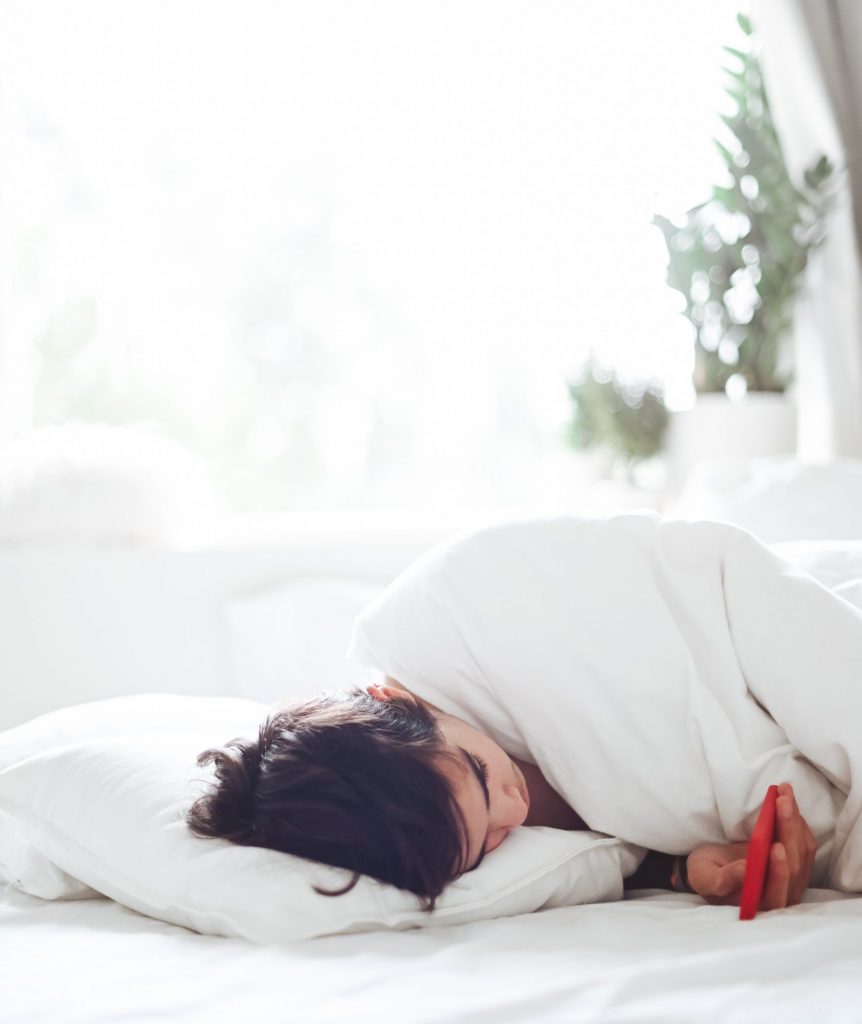
Try not to go on your phone or watch TV as these devices can have the opposite effect, blue light from screens being proven by experts to keep your brain awake.
As mentioned above, the blue light emitted from smartphones, tablets, TVs, and computer screens can negatively affect our sleep.
Blue light has been found to suppress the secretion of melatonin (a hormone that regulates our sleep-wake cycle and promotes sleep), which makes it harder to unwind at night.
Minimizing the usage of these devices at least 1 to 2 hours before bed can help improve sleep.
While napping during the day may help you to feel less tired initially, long daytime naps can prevent you from getting to sleep at bedtime.
We all naturally begin to feel tired in the afternoon between 1pm and 3pm as this is when our circadian rhythm dips. Because of this, short naps in the afternoon have been proven to restore wakefulness and improve performance.
However, napping for longer than 30 minutes has been associated with an increased risk of certain health conditions and an inability to sleep at night.
If you want to sleep better at night, keep your naps short and refrain from napping in the evening.
Sunlight exposure during the day helps regulate our circadian rhythm (our innate body clock) and has been found to positively impact our quality of sleep.
Try to expose yourself to as much natural light as possible during the day. If you work in an environment with minimal natural light, try going for a walk in the morning before work or at lunchtime.
If this is not possible, investing in a light therapy box may help. One study found that office workers who were exposed to more light in the workplace slept for longer and had better sleep compared to office workers with less light exposure.
Waking up at the same time every day (even if you’ve had a bad night’s sleep) will help you keep a sleep routine, and setting your alarm will ensure you don’t sleep longer than planned.
Try not to hit the snooze button, though, as the sleep gained after initially waking up won’t be high-quality and may end up making you feel worse.
Once you get into a sleep routine, you may find you naturally wake up without an alarm, which is ideal.
If you find yourself regularly waking up in the night to go to the toilet, limiting your fluid consumption before bed may help.
Frequent urination at night, also known as nocturia, affects 50% of the population and is most common in the elderly, during pregnancy and in those with health conditions like diabetes.
To ease nocturia symptoms and sleep better at night, minimize your fluid intake 1 to 2 hours before bed, but be sure to drink your usual amount of liquids earlier in the day.
Noting down what you drink and when, along with your frequency of urination throughout the night, can also help. If your symptoms persist, visit your GP, who will be able to offer further advice and testing.
If you experience insomnia or sleep disturbances regularly and your lack of sleep has begun to affect your daily life, it may be time to speak to your GP.
Various health issues can affect our sleep, and your GP will be able to help uncover any underlying issues and provide advice on the best way forward for you.
While many factors inhibit us from getting quality shut-eye at night, we hope our selection of sleep tips have provided you with some suggestions on how to sleep better at night, so you can wake up feeling refreshed and ready for the day ahead.
Our team of real people is here to help!
Upgrading your mattress or pillows can really make a difference in comfort levels. Meditation, avoiding screen time, and exercise can also aid a ton in sleeping through the night.
Yes! An old, cheap, or sagging mattress aren’t comfortable to sleep on. Or, if you have the wrong material for your preferred sleeping position — even if it’s new — can result in aches and pains that keep you awake at night.