Lavender’s pleasant aroma is a well known aid in falling asleep, calming crying babies, and soothing the nervous system.
You can grow lavender directly in your room by placing it near a window with direct sunlight, or purchase lavender sleep aids in many differnet forms, including infused pillows and harvested flower buds.
Chamomile is high on the list of sleep-aiding plants, especially when brewed in tea, used as bath products, or placed in potpourri.
According to a 2007 report by Nature.com, a well-known study found a direct correlation between the scent of rose and sleep quality. Researchers confirmed that odor cues during slow-wave sleep prompt declarative memory consolidation.
This phenomenon requires as little as a bouquet placed within your bedroom. Like lavender, rose scents are easily available in many forms.
Gardenias have thick glossy leaves and fragrant blossoms that are known to help you sleep through soothing and relaxing your nervous-system. You can grow these sleep-inducing plants in containers and keep them in your room.
The appearance and scent of this exotic plant are quite soothing, which is why so many jasmine-based teas, bath soaks, and perfume products are available on the market.
Plant jasmine shrubs in small pots for contained indoor growth — they get pretty big when planted outdoors — and place them in partial sunlight. Or find your perfect sleep aid in the numerous products available.
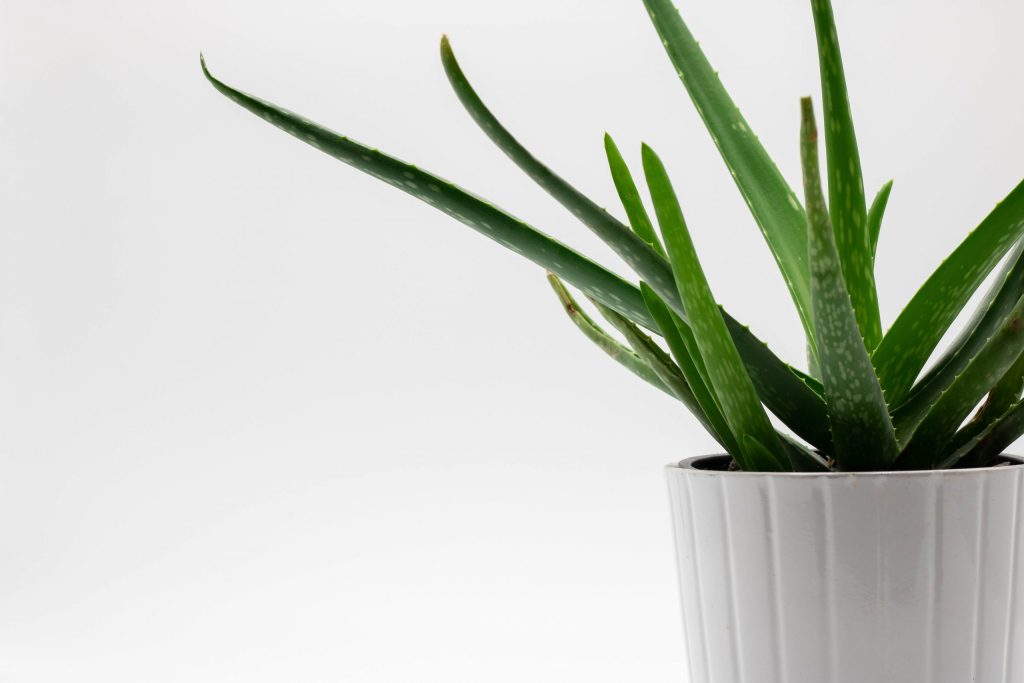
When you plant one aloe, get ready for generations of this succulent to follow, as they are very prolific.
Aloe vera plants produce oxygen to help purify the air and do not need frequent watering or direct sunlight. An added bonus? Aloe fronds secrete a gel that you can use to treat cuts and burns, insect bites and dry skin.
Snake plants create oxygen while drawing in carbon dioxide, and filter common household toxins from the air — benzene, trichloroethylene, and formaldehyde. This plant is guaranteed to help purify your air to help you sleep.
Peace lilies are great at filtering toxins from the air, increasing humidity, and suppressing airborne microbes that might trigger allergies.
Humid air in the bedroom keeps your nose and throat moist so that you don’t wake up with an irritated airway. Place your peace lily in the shade and water it once a week. Be sure to keep these plants out of the reach of children and pets!
This plant is perfect for the bedroom because in a recent study, scientists at NASA found that all types of pothos remove carbon monoxide and formaldehyde from the air. They also need very little light or maintenance, making them easy to care for.
Like the peace lily, this plant is poisonous if ingested, so it’s best kept away from children and pets.
Valerian is noted for its somewhat-hypnotic properties, acting like a sedative on the nervous system. Inhaling this fragrant herb helps with sleep disorders and insomnia.
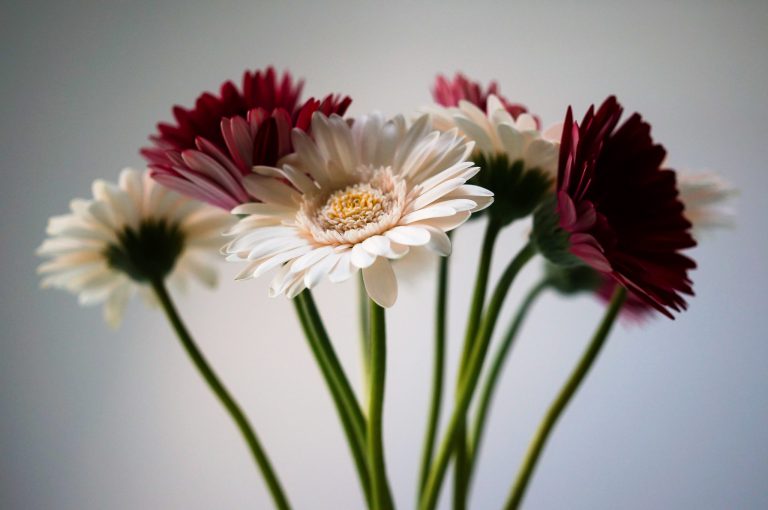
Gerbera daisies are not only sweetly-smelling cheerful flowers, but they release plenty of oxygen into the air while absorbing carbon monoxide and other toxins.
With bright shades of orange, red, yellow, pink, and lavender, “gerberas”, as they’re also called, are available at garden stores year-round, making it easy for you to find some for that better sleep.
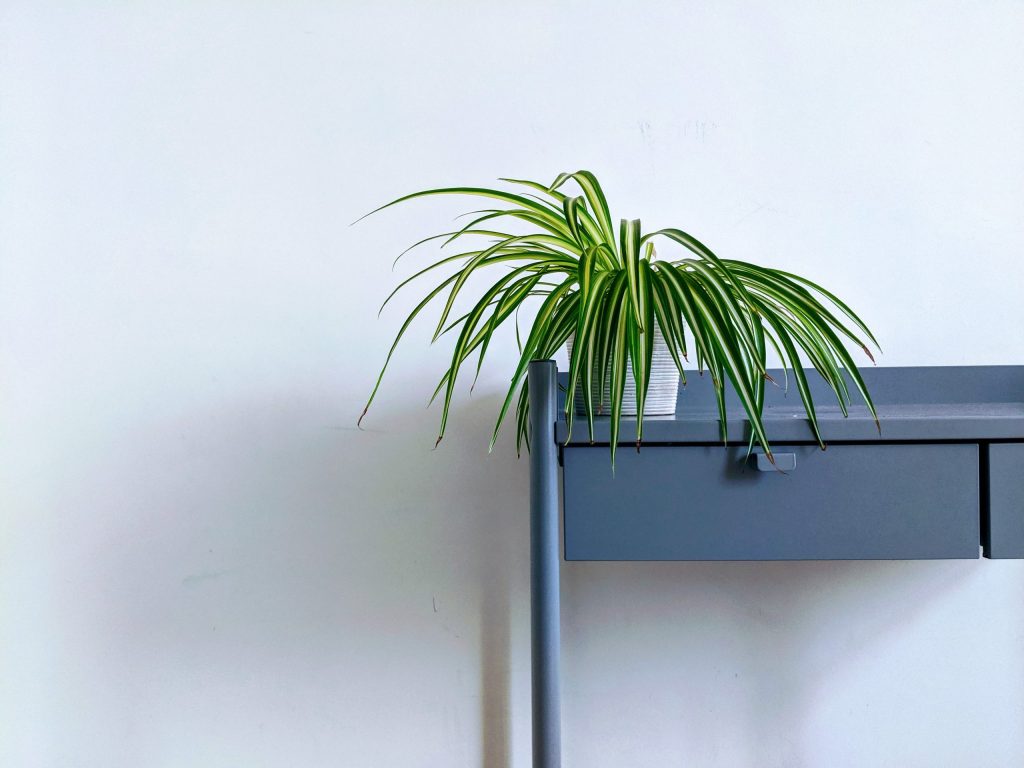
With detoxifying effects and nicely-formed foliage, English ivy is in the same realm as aloe vera and spider plants when it comes to absorbing allergens.
However, English ivy is toxic, so if you have pets or small children, you’ll want to keep it out of their reach.
Chinese evergreen is known to absorb air pollutants and toxins at night. This versatile plant is also able to handle different types of indoor environments, making it easier to take care of in different areas of your home or bedroom.
With sage, you can breathe in its sweet scent and flavor your favorite foods. This herb is often used for medicinal properties and is a common ingredient in tea and essential oils.
Mince up a few leaves and put them in a sachet bag. Place the sachet under or next to your pillow and enjoy its soothing and cleansing properties for a good night’s sleep
These palms with their yellowish-green fronds absorb air pollution, toxins, and allergens.
They also release humidity into the air, which is especially good for dry air in winter.
Hop Cones are a common ingredient for flavoring beer, and they give off a sedative-like feeling when being handled. Hops combined with valerian is a well known remedy that can help ease anxiety cure sleep issues.
This plant absorbs harmful substances that disturb sleep such as benzene, carbon monoxide, formaldehyde, and xylene. They’re is easy to maintain and are almost indestructible, making them perfect for people who don’t have a lot of experience in taking care of plants!
Choose dracaena colorama if you need an ally in the battle against air irritants! This plant absorbs benzene, formaldehyde, toluene, and xylene.
To return the favor, place the it under indirect sunlight and water it moderately when the top layer is completely dry.
The elecampane flower is yellow and looks like a daisy. Its roots release chemicals that help with respiratory problems, improving low air quality in bedrooms. It can also treat staphylococcus infections.
This plant also falls under the air-purifying category due to its antimicrobial properties.
To benefit the most out of the healing properties of calamus, create a tincture from it, drinking it or rubbing it gently on your skin. It works like a light sedative for pain relief and calms nerves.
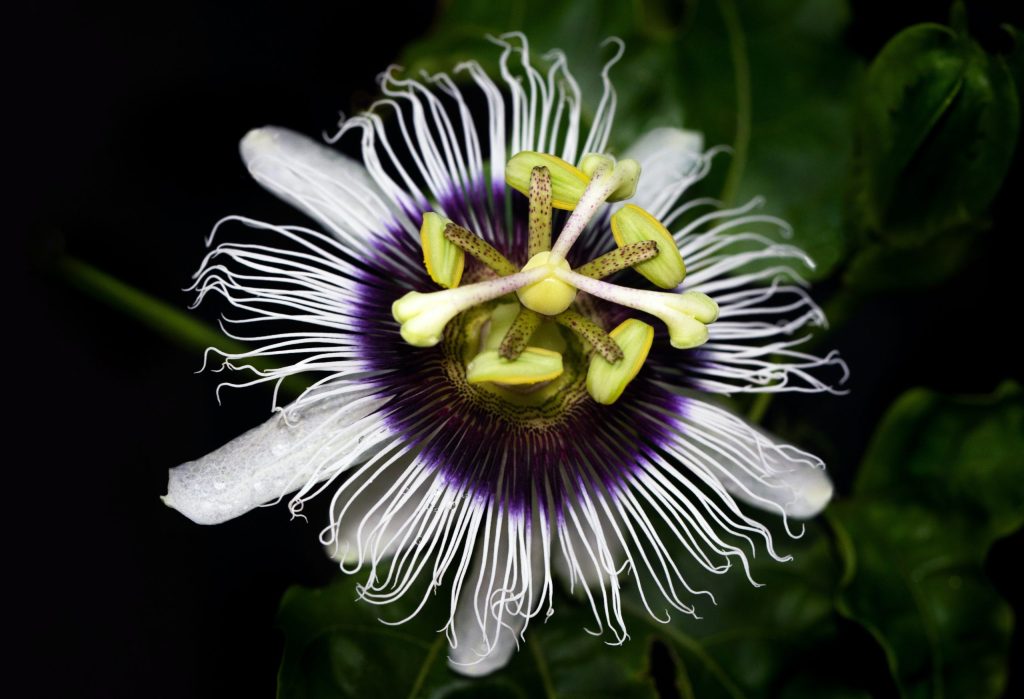
Passiflora (also known as passionflower) is great for calming a disturbed mind and ensures relaxed sleep.
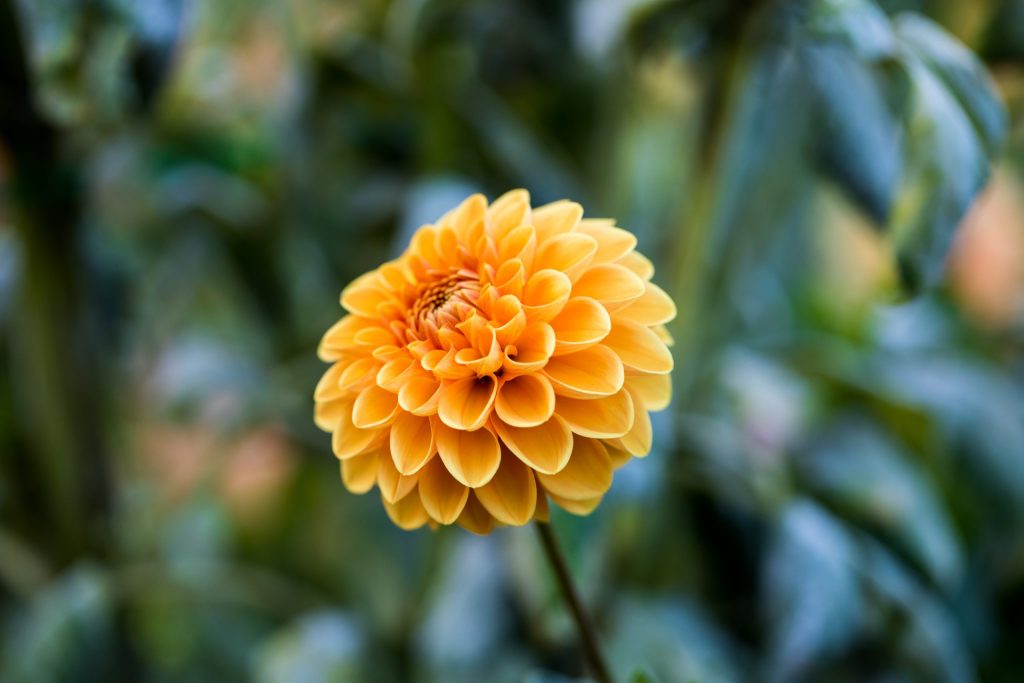
Chrysanthemums usually play the main role in stunning flower bouquets. But their beauty isn’t their only advantage — these flowers also absorb toxic substances from the air.
Rosemary isn’t only a good addition to your meals, it’s also a great addition to your bedroom! Known to help with relaxation and induce sleep, place a small bowl with rosemary on your bedside table to ensure you doze off easily.
Our team of real people is here to help!
Greenery improves air quality while you sleep. A variety of plants absorb airborne toxins such as ammonia, benzene, formaldehyde, and xylene.
Some plants also have a safe sedative effect when inhaled or consumed. Thanks to them, you can naturally calm down and fall asleep easily.
On top of that, a lively environment via greenery and soothing colors is proven to positively affect mental and psychical health.
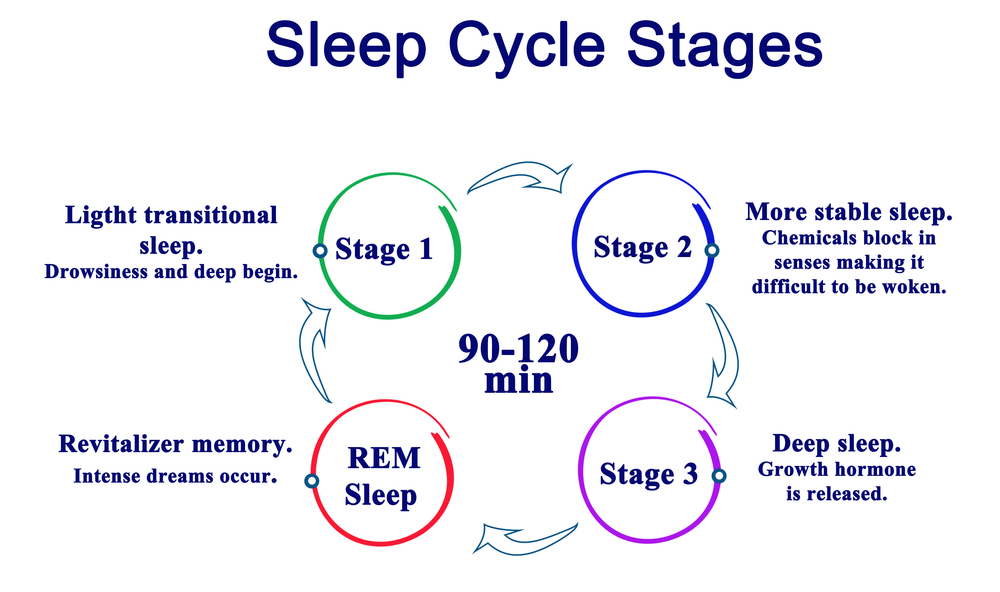
Understanding the process is a good way to begin when determining which plants to add to your bedroom. The brain cycles through several stages of sleep before hitting Rapid Eye Movement (REM).
During non-REM sleep, the human body regrows and repairs tissues, strengthens the immune system and rebuilds bone and muscle.
A few must-have plants purify the air in your bedroomand calm your mind to relieve stress and anxiety, which are common causes of insomnia.
Of course, sleeping on a new custom mattress will help, but there are other tricks you can incorporate to improve your quality of sleep.
Yes! Specifically lavender and chamomile in many different forms, but there are tons of plants that can help you sleep.

Lavender is the most well known sleep-aid plant, but chamomile as well as others are also good options.
18 scientifically proven tips
(for 2025) that you can use tonight.